
Dear You,
Every recipe on earth is written for four hungry adults who have all just come in from chopping wood. Serves four. Serves six. Serves eight to ten as part of a buffet. I’ve never once seen “serves one person with the appetite of a polite houseguest,” and that is the person who now lives in my kitchen.
The first attempt, which went badly
Third week on the medication, I decided to make a chicken and rice bake I’d made fifty times before. Out of habit I made the whole thing. A full casserole dish, 9 by 13, the big one. I ate roughly a ramekin’s worth and looked at the rest.
It sat on the second shelf of the fridge for five days. I ate from it twice. On day six I threw out most of a chicken and most of a bag of rice and felt a very specific kind of bad, the kind that’s half money and half guilt and half the memory of my grandmother, who would have been appalled. (That’s three halves. It was a big feeling.)
I tried halving the recipe next. That helped and also didn’t, because half a recipe in a full-sized pan spreads thin, dries out, and still makes four or five of my new portions. Then I tried quartering it, which involved a quarter of an egg and a lot of swearing.
What finally worked
Three things, in the order I figured them out.
Half batches, but in a smaller pan. The pan matters as much as the quantity. Half a casserole in a loaf pan behaves like a whole casserole. Half a soup in a two-quart pot simmers properly instead of evaporating. I stopped buying “serves four” and started asking “what does this look like in the small dish.”
Cook once, portion immediately. The night I cook, before I sit down, I divide everything into single servings. Not “I’ll deal with it later.” Later is when the chicken dies. Small containers, labeled with a marker and a date, into the fridge for two days or the freezer for anything beyond that.
Freeze flat and freeze small. Soup, chili, stew, cooked grains, a cooked chicken breast sliced up: all of it goes into the freezer in portions I’d actually eat, which turned out to be about half of what I used to think of as a portion. Flat bags stack. Small containers thaw in a few minutes under warm water. The freezer stopped being a graveyard and started being a pantry.
Fewer vegetables died for the cause. The grocery bill dropped in a way that genuinely surprised me.
The three tools that earned their drawer space
I’m wary of telling anyone to buy things. But three objects moved from “nice to have” to “I’d replace it the day it broke.”
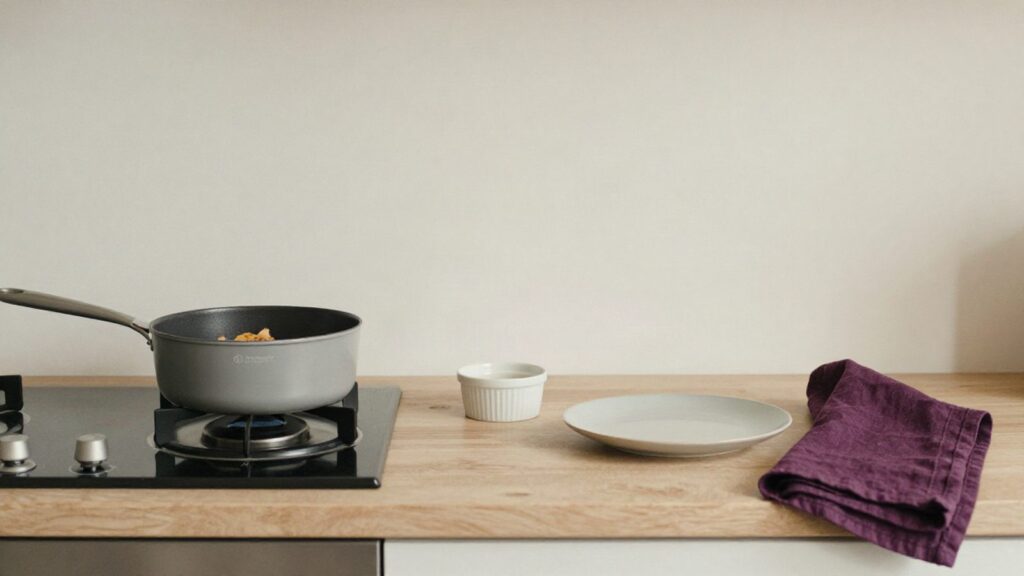
- A one-quart saucepan. The baby pot. It makes a single serving of oatmeal, poaches two eggs, reheats one portion of soup, and doesn’t make me feel like I’m cooking for a dollhouse. It lives on the stove now. The big pots live in the cabinet and come out for guests.
- Small glass containers with lids, the half-cup and one-cup sizes. Not the big ones. The big ones encourage big portions and then mock you from the shelf. The small ones hold exactly what I’ll eat, go from freezer to microwave, and let me see what’s inside without opening anything.
- A kitchen scale. Not for tracking anything. I don’t count. I use it to split a recipe evenly: the whole pot of chili weighs this much, I want six portions, each portion is that much. It took the guesswork out of “is this half or is this a third,” and it means the last portion isn’t a sad scraping.
That’s the whole system. A small pot, small boxes, a scale, and the discipline to portion the night I cook instead of the night I’m sad about the chicken. Eventually I wrote my recipes down the way I actually cook them now, sized for one small appetite, and that became The Tiny Appetite Kitchen. But the method came first, and the method is free.
Some days you’ll finish the bowl. Some days three bites is dinner. Both count. The point of the small containers is that either way, nothing is sitting on the second shelf waiting to be thrown out and judged.

Want to tell me something? Reply to any Low Volume email, or write to me here. I read everything.
Getting Quiet shares lived experience, general education, and practical tools. For medical decisions and individual treatment questions, talk with your qualified care team.
 Ayden, founder of Getting Quiet. Read the story →
More on The tiny-appetite kitchen
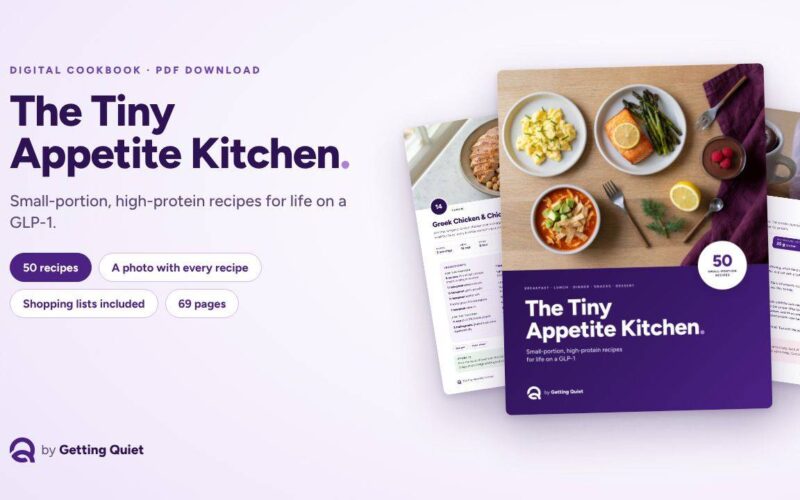
The Tiny Appetite Kitchen is here.
Fifty small-portion, high-protein recipes for the appetite you actually have. The cookbook I needed at week six is out today.
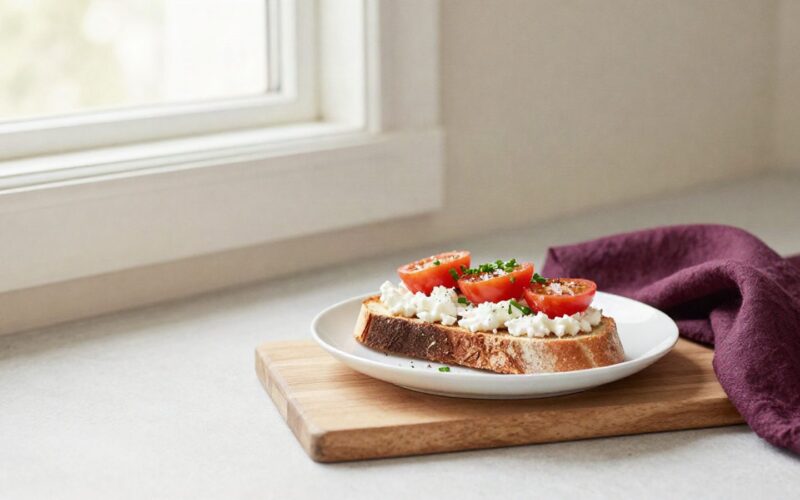
Cottage cheese toast with tomato and chives (no cooking)
One slice of good toast, a thick layer of cottage cheese, halved cherry tomatoes, chives, flaky salt. Five minutes and more protein than it looks.
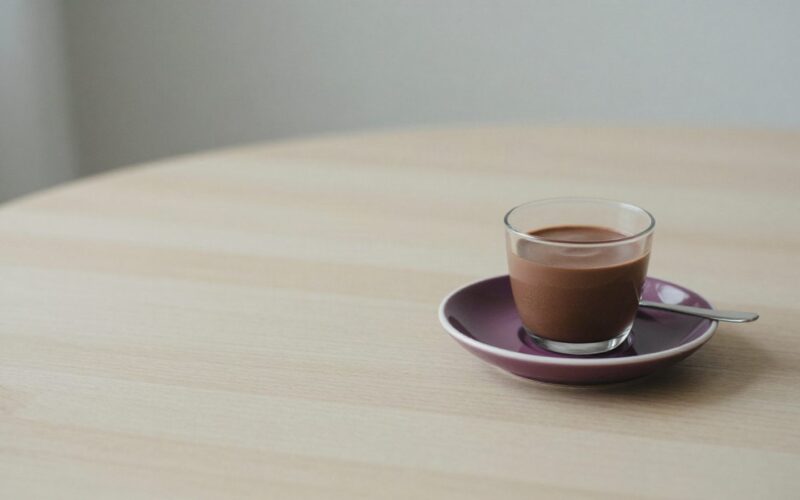
The dessert problem, solved in a very small cup
Dessert as the world serves it is built for an appetite I no longer have. Six espresso cups, a cottage cheese mousse, and extra spoons gave it back to me.