
Dear You,
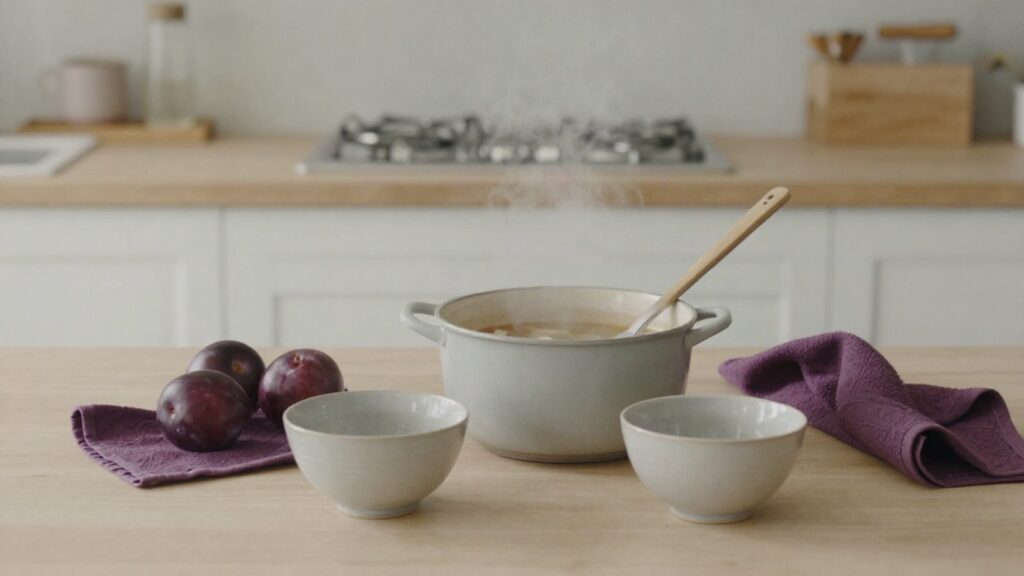
Every Sunday around four in the afternoon I make soup in a two-quart pot, and that soup feeds me most of the week. It is not a recipe. I’ve made it with chicken and with white beans and with a sad half-pound of ground turkey that needed using. It’s a method, and the method is the whole point, so here it is.
Why soup, of all things
When the appetite went quiet, soup became the friendliest food in my kitchen, for reasons I didn’t appreciate until I’d lived with them a while.
A small bowl of soup feels like a meal in a way that a small plate of anything else does not. There’s a warmth to it, a ceremony. Three bites of chicken on a plate looks like someone forgot to finish. Three spoonfuls of soup looks like dinner.
It’s forgiving about volume. Some days I want a full bowl. Some days I want a teacup’s worth. The pot doesn’t care. I ladle what I want and the rest waits.
It carries protein without making a performance of it. A bowl can hold a fair amount of chicken or beans or lentils and still go down easy on a day when solid food feels like a negotiation.
And it reheats in two minutes in the baby pot, which matters when the appetite shows up unannounced at 8:40 pm and will leave again by nine if nothing’s ready.
The pot, and the protein first
Two quarts. Small enough that a half-recipe’s worth of anything simmers properly instead of spreading thin and scorching. Big enough for about six of my portions, which gets me through the two-day rule with a few portions left for the freezer. If you only have a big pot, use it, but know the soup will reduce faster and you’ll want to watch the liquid.
I start with the protein in the dry pot with a little oil. Chicken thighs cut small. Ground turkey or beef. A can of white beans, rinsed, if it’s a meatless week. Sausage, crumbled, when I want the soup to taste like something happened.
Brown it. Actually brown it, don’t just warm it, because the browned bits on the bottom of the pot are where the flavor lives and I’m not adding much else. Salt it now. Then push it to the side or pull it out.
Then the vegetables, whichever ones are about to die: onion, a carrot, the last of the celery, a handful of chopped greens held back for the end. Five minutes, until they soften and pick up the browned bits.
The broth
Pour in enough broth to cover everything by about an inch. Boxed stock, bouillon and water, bone broth, whatever’s there. I use less than the recipe-brain wants, because a thick soup satisfies a small appetite better than a thin one, and because I can always add water when I reheat.
Bring to a simmer, turn it low, lid on but cracked, and give it twenty to thirty minutes. Add the greens in the last five. Taste. Fix the salt. A squeeze of lemon or a splash of vinegar at the end, always, because it makes the soup taste awake.
That’s it. No roux, no cream unless I want cream, no twelve-ingredient spice list. Garlic and a bay leaf if I’m feeling fancy.
The two-day rule
Soup lives in the fridge for two days. On day three, whatever’s left goes into the freezer in single-portion containers, the small ones, or it goes.
I made this rule after the third week of discovering a pot of something on the second shelf that had quietly become a science project. Two days is long enough to eat it while it’s good and short enough that I never have to do the sniff test again. The freezer portions are for the Thursday when I don’t want to think.
A week of soup, roughly. Sunday: make it, eat a bowl. Monday: lunch. Tuesday: dinner, with something crunchy on the side so it doesn’t feel like a rerun. Wednesday: the rest goes to the freezer. Thursday and Friday I eat other things, and some Thursday three weeks from now I’ll pull a frozen portion out at 8:40 pm and be grateful to the version of me who made the rule.
One person’s method. Yours might be a stew, or a grain bowl, or eggs. But if you’ve been standing in the kitchen with a quiet appetite and no idea what dinner is, a small pot and a Sunday afternoon is a reasonable place to start.

Want to tell me something? Reply to any Low Volume email, or write to me here. I read everything.
Getting Quiet shares lived experience, general education, and practical tools. For medical decisions and individual treatment questions, talk with your qualified care team.
 Ayden, founder of Getting Quiet. Read the story →
More on The tiny-appetite kitchen
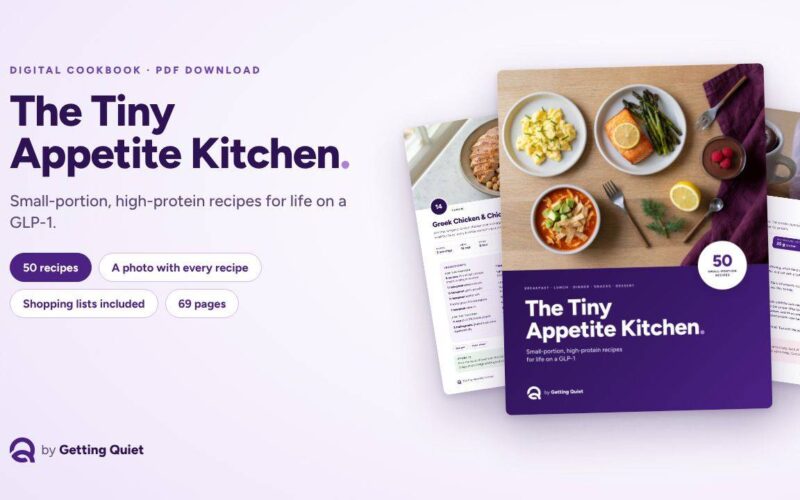
The Tiny Appetite Kitchen is here.
Fifty small-portion, high-protein recipes for the appetite you actually have. The cookbook I needed at week six is out today.
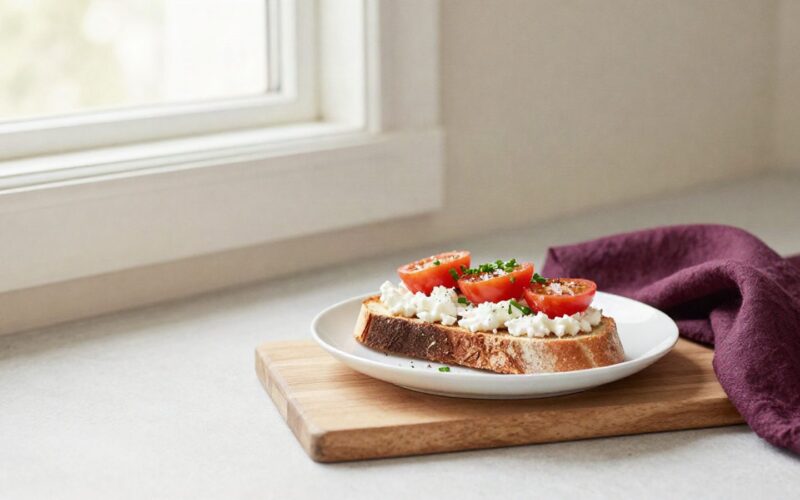
Cottage cheese toast with tomato and chives (no cooking)
One slice of good toast, a thick layer of cottage cheese, halved cherry tomatoes, chives, flaky salt. Five minutes and more protein than it looks.
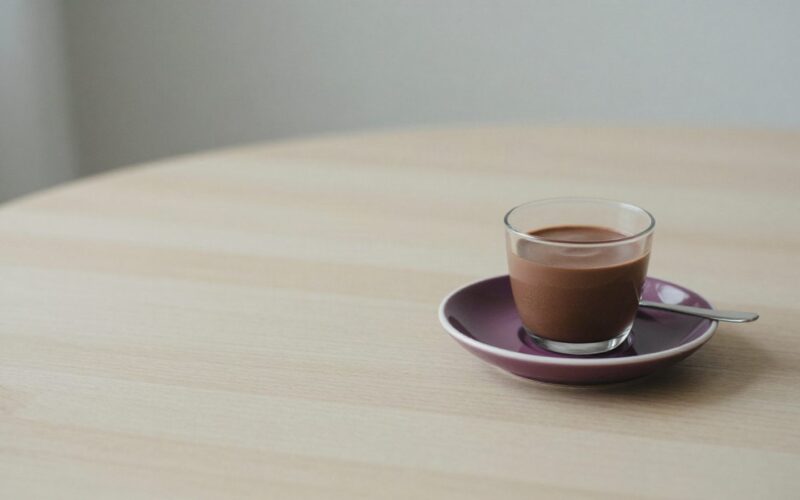
The dessert problem, solved in a very small cup
Dessert as the world serves it is built for an appetite I no longer have. Six espresso cups, a cottage cheese mousse, and extra spoons gave it back to me.