Dear You,
Before the medication, a craving was a weather system. It rolled in around 8 pm, filled the whole house, and had a very specific request: the thing in the orange bag, the drive-through, the second bowl. It was loud and it was fluent and it usually won.
I expected the medication to turn that off. What actually happened was stranger. The weather went away, and in its place came a series of small, odd, precise visitors.
The new cravings
A craving for cold. Not ice cream specifically, just cold. A frozen grape. The condensation side of a water glass pressed to my wrist. Half a popsicle at 10 pm in October.
A craving for crunch with no interest in the flavor attached. I’d stand at the counter eating a cucumber and realize I didn’t want cucumber, I wanted the noise.
A craving for salt at 9 pm so narrow it felt like a message. Not chips. A pickle. One. Eaten over the sink, and then I was done.
A craving for the texture of something soft and warm, which turned out to mean scrambled eggs, or mashed potatoes, or oatmeal, at any hour, in a quantity of about four spoons.
And the oddest: a craving for a specific food from a specific year. My grandmother’s chicken and rice. Nothing else would do, and nothing available was it, so it just sat there, a quiet little want with nowhere to go.
What was missing was the volume. None of these filled the house. They knocked, politely, and waited.
How I decide
For a long time I treated every craving as a test. If I followed it, I’d failed. If I resisted, I’d passed, and I could feel briefly superior to a pickle.
That’s exhausting, and it’s also just wrong. Cravings on a quiet appetite are often information. Cold at night, for me, has usually meant I’m dehydrated. Salt has sometimes meant I’ve undereaten all day and my body is reaching for the fastest signal it knows. The crunch thing, as far as I can tell, is just a person who likes crunch, and there is no deeper meaning, and that’s allowed too.
So now I run a short checklist, and I mean short, maybe fifteen seconds:
- Did I eat something real in the last four or five hours? If not, the craving isn’t the problem. The missing meal is.
- Have I had water since lunch? Often the answer is a sheepish no.
- Is this a texture or a food? If it’s a texture, there’s usually a smaller, cheaper way to get it. Cold: frozen fruit. Crunch: anything raw. Soft and warm: one egg.
- If it’s a specific food and I actually want it, I have some. A small amount, on a plate, sitting down. Then I notice whether I still want more, and usually I don’t, which still surprises me two years in.
The pickle at 9 pm passes all four. I eat the pickle.
Why I stopped treating it as a test
Because a test has a grade, and a grade has a mood attached, and I was letting a cucumber decide how I felt about myself at bedtime.
The medication didn’t give me willpower. It gave me a quieter room, where the knock at the door is audible and I can go answer it like an adult, instead of being shouted at from the hallway. I’d rather spend that quiet noticing what the craving is actually for than scoring myself on whether I let it in.
A few honest caveats. This is one person’s experience; cravings and appetite changes vary a lot from person to person, and if yours feel extreme, or come with nausea, or you’re skipping meals because nothing appeals, that’s a conversation for your care team, not a blog. I’m describing a pattern I noticed, not a mechanism I understand.
And the chicken and rice? I finally called my aunt and got the recipe. It’s not quite the same. I made it anyway, ate a small bowl at the kitchen counter, and the little want that had been sitting there for a year finally got up and left.
Want to tell me something? Reply to any Low Volume email, or write to me here. I read everything.
Getting Quiet shares lived experience, general education, and practical tools. For medical decisions and individual treatment questions, talk with your qualified care team.
 Ayden, founder of Getting Quiet. Read the story →
More on When food goes fuzzy
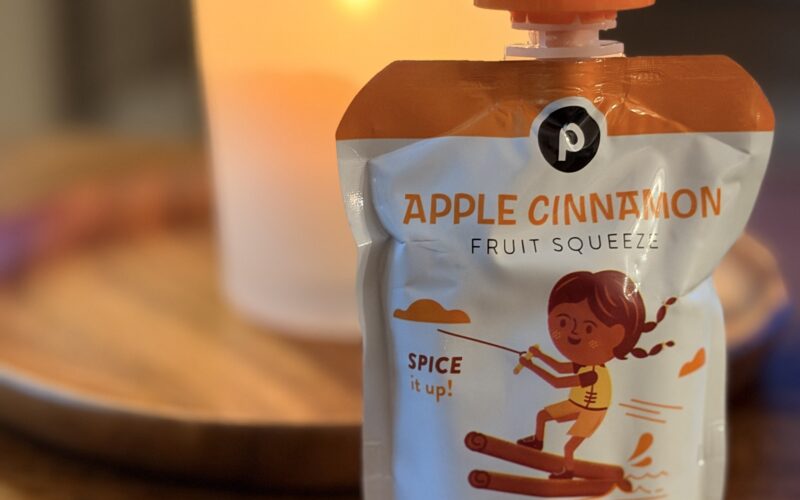
My secret weapon for nausea is a toddler snack, and I’m not sorry
I’ve been lucky with nausea on a GLP-1. When it does show up, the thing that gets me through costs about a dollar and has a cartoon on it. Plus what actually helps, and when to call your care team instead.
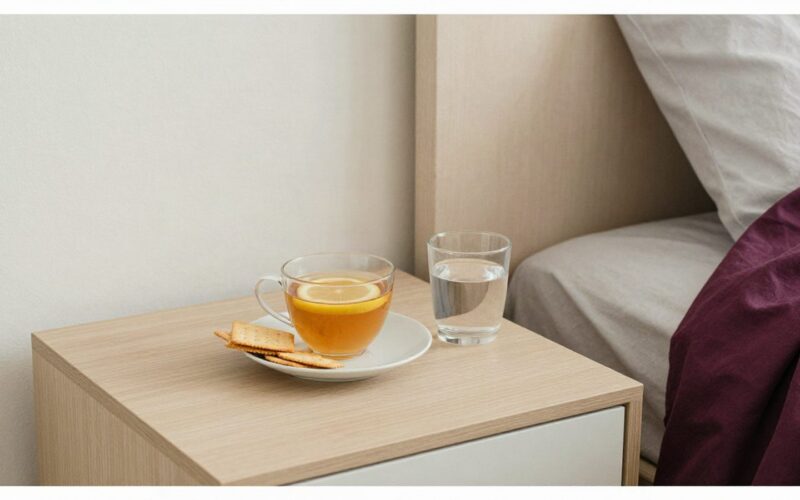
What helped in nausea week, and what didn’t
Nine days when food was a theory and the coffee maker was my enemy. Cold things, small sips, saucers, and the phone call that mattered more than any of it.
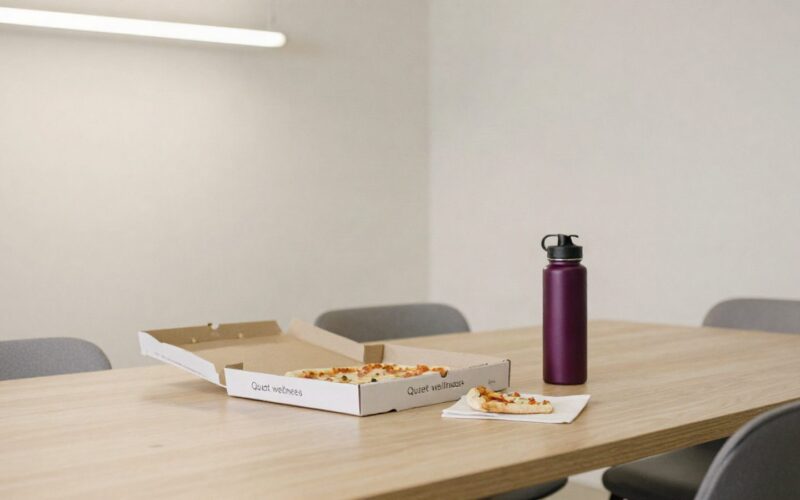
Eating in front of other people when you’re not hungry
The office pizza, the dinner party, the mother who made your favorite. How to be at the table with a quiet appetite without turning your plate into a performance.