
Dear You,
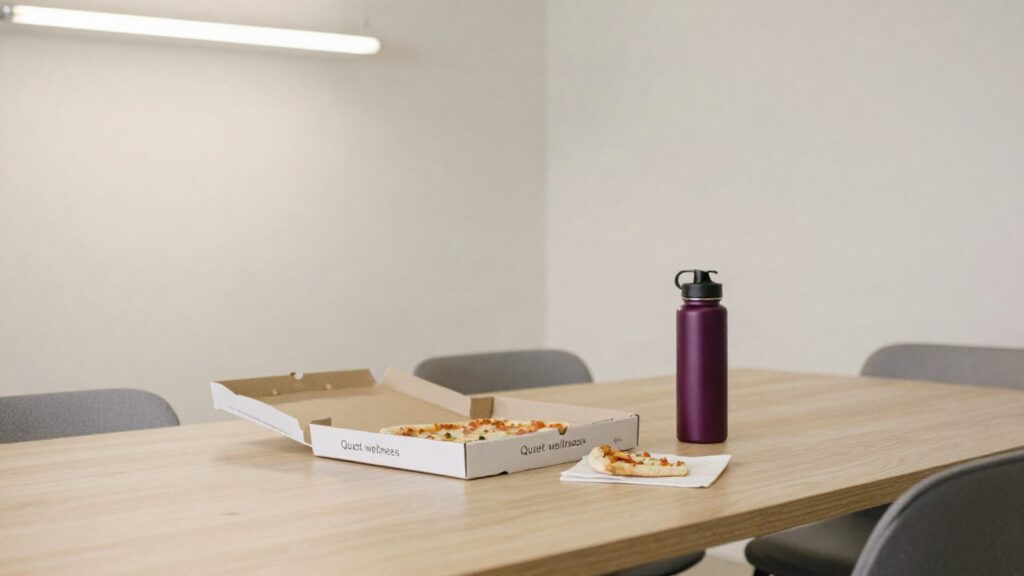
The pizza arrives at 12:30. Someone announces it on the floor like a birth. People gather. Paper plates, the good napkins from the supply closet, somebody doing a bit about pineapple. And I’m standing there with a quiet stomach and twelve colleagues who will, kindly, ask why I’m not eating.
Food is social before it’s nutritional. We eat together to say we belong together. And when the appetite gets quiet, the belonging part doesn’t go anywhere. You still want to be at the table. You just don’t want much of what’s on it.
Here’s how I’ve learned to participate without performing.
The office pizza
Take a slice. Put it on a plate. Carry the plate. A plate with food on it is a passport; nobody checks whether you’ve eaten it. I take a few bites, I talk, I set it down somewhere reasonable. If someone notices, “I had a late breakfast” is true often enough.
What I stopped doing: explaining. Nobody at the pizza table needs the pharmacology. “Not that hungry today” is a complete sentence, and most people have already moved on to the pineapple argument.
The dinner party
This is harder, because somebody cooked, and cooking is love with a timer. When I’m a guest now, I do three things.
I eat the thing they’re proudest of. If the host made the braise, I eat the braise, even if that’s where my whole appetite goes. The salad can go unloved.
I talk about the food. “This is really good, how did you do the sauce?” Praise is a form of eating, socially. It says I noticed, I’m here, I’m grateful.
I take a little of several things rather than a lot of one. A tasting plate looks generous. A full plate half-eaten looks like a review.
The host who made your favorite
My mother makes a specific casserole. She has made it for every homecoming for thirty years. The first time I visited after the medication, she made it, and I ate four bites, and she looked at the dish and then at me and said nothing, which is louder than anything she could have said.
So I told her the truth, which is what I should have done on the phone the week before. “Mom, I love this. My appetite is tiny now. I’m going to eat a little tonight and take the rest home and eat it for three days, and I’m going to think of you every time.” And I did. She sent me home with the whole dish and a pair of the good tongs.
The lesson I took: tell the people who love you before the meal, not during. Give them a way to feed you that works. Mine is leftovers. I have never once left my mother’s house without a bag.
Participating without performing
There’s a version of this where you eat to be seen eating. Where you force the second slice because the table is watching and you don’t want to be the one who makes it weird. I did that for the first few months. I felt sick, I resented the pizza, and I wasn’t even present for the conversation because I was managing a plate.
Participating is different. It’s being at the table, in the conversation, with a plate in front of you that has what you want on it. It’s asking about the sauce. It’s taking the leftovers home. It’s letting other people eat without narrating your own plate.
Nobody is as interested in what you’re eating as you think they are. That was the hardest and most freeing thing I learned. The table isn’t watching. The table is talking about pineapple.
One more thing
If you’re not on a medication and you’re reading this because someone at your table is, here’s the whole ask: don’t comment on the plate. Pass the bread. Ask about their week. They’re there for you, not the pizza.

Want to tell me something? Reply to any Low Volume email, or write to me here. I read everything.
Getting Quiet shares lived experience, general education, and practical tools. For medical decisions and individual treatment questions, talk with your qualified care team.
 Ayden, founder of Getting Quiet. Read the story →
More on When food goes fuzzy
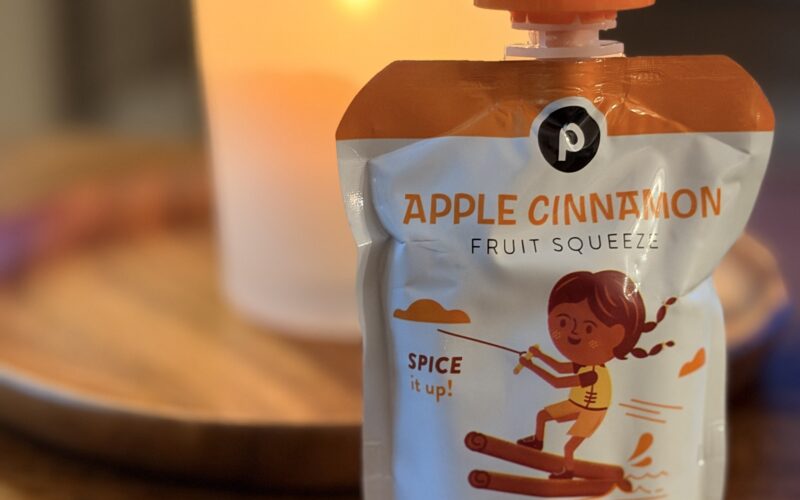
My secret weapon for nausea is a toddler snack, and I’m not sorry
I’ve been lucky with nausea on a GLP-1. When it does show up, the thing that gets me through costs about a dollar and has a cartoon on it. Plus what actually helps, and when to call your care team instead.
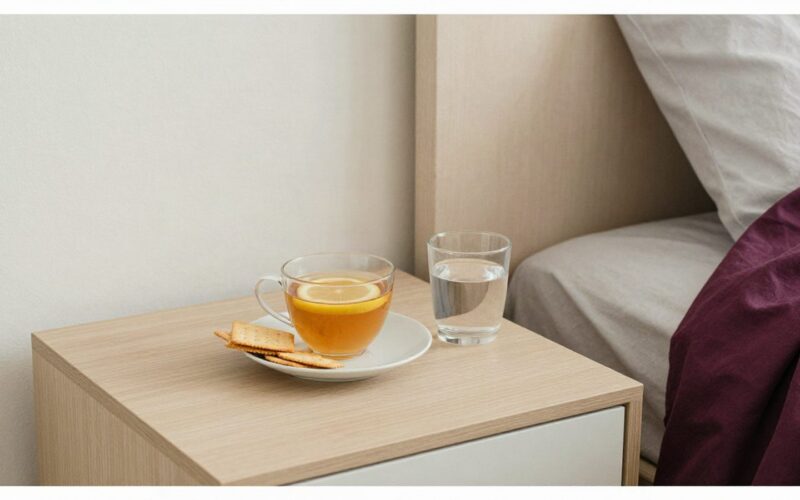
What helped in nausea week, and what didn’t
Nine days when food was a theory and the coffee maker was my enemy. Cold things, small sips, saucers, and the phone call that mattered more than any of it.
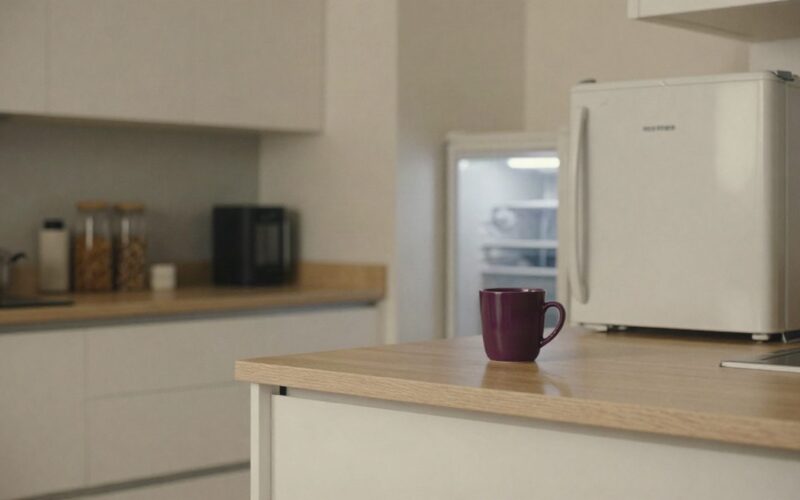
The 2 am fridge standoff
Standing in the fridge light at 2 am without hunger. What that moment is usually about, what I do instead of eating the rice, and why I stopped grading it.