

Dear You,
Before you read anything else here, you should know what you’re reading. This is a blog written by a man who lost a great deal of weight on a GLP-1 medication, has kept it off for about two years, and has strong opinions about bowl sizes. That’s the credential. There isn’t another one.
The appetite got quiet. Life got loud. This is where I write about the loud part.
What this is
Lived experience, labeled as such. Every post is one person’s account, mine, and I’ll say so in the post rather than letting you infer it. When I say “what helped,” I mean what helped me. When I write a how-to, it’s the how I actually did it. If a friend’s story shows up, I’ll say it’s theirs.
Practical over inspirational. I’d rather tell you which shelf of the fridge to put the protein on than tell you to believe in yourself. If a post can’t be used tonight, I’ve probably failed at it.
Honest about the hard weeks. I don’t do the version of this where everything is a breakthrough. Week six was rough. Nausea week was rough. The first wedding was rough. I’ll tell you it was hard and what I did about it, and I’ll tell you when what I did didn’t work.
Interested in the whole life, not just the plate. Paperwork, fitting rooms, holiday tables, the strange experience of being looked at differently, what happens to a friendship when you stop being the one who always suggests dinner. The medication touches all of it. So does the blog.
What this isn’t
Medical advice. Not once, not even a little. I can tell you what happened to me and what I asked my prescriber. I cannot tell you what to take, how much, when to change it, or what your side effect means. That’s your care team’s job and they’re good at it. When a post touches medication, insurance or symptoms, I’ll point you back to them in plain words.
A numbers blog. No weight numbers for you, no calorie targets, no protein goals, no meal plan with a day-of-the-week grid. I don’t believe you need my numbers, and I’m not sure you need anyone’s. The cookbook has no targets either. That’s a deliberate choice, not an oversight.
A before-and-after. You won’t find side-by-side photos here, and you won’t find language that treats the old body as a problem that got solved. I liked a lot of things about that life. I was a whole person then, and so are you now, wherever you are.
A judgment about anyone else. People who aren’t on medication, people who stopped, people who tried it and hated it, people who are thinking about it and scared. None of that is my business and none of it is a moral question. If you catch me implying otherwise, call it.
A place where you have to disclose. You can read every post here and never tell a soul what you take or why. Several posts are specifically about how to do that. Privacy is a reasonable choice, not a secret.
A homework assignment. There’s no program to follow, no thirty-day challenge, no checklist you’ll fall behind on. Read what’s useful. Skip the rest. Come back in six months. The posts will still be here and I won’t be keeping attendance.
Why I write it
Because when I was standing at the pharmacy counter with the bag in my hand, I went looking for someone who’d describe the ordinary parts honestly, and I found a lot of transformation stories and a lot of marketing and not much in between. The in-between is where the actual living happens. Somebody should write it down.
What you can expect
A new post most weeks. A dry joke or two per post, at my own expense, never at yours. Specifics: times of day, small objects, real situations. A newsletter called Low Volume if you want the quieter version in your inbox. Comments that I read, and sometimes answer.
And a standing invitation to disagree with me. I’ve been wrong before, often in print. If something here doesn’t match your experience, it’s because it’s mine and not yours, and yours counts just as much.
That’s the deal. Sit down. Small bowl. Let’s get into it.

Want to tell me something? Reply to any Low Volume email, or write to me here. I read everything.
Getting Quiet shares lived experience, general education, and practical tools. For medical decisions and individual treatment questions, talk with your qualified care team.
 Ayden, founder of Getting Quiet. Read the story →
More on Start Here
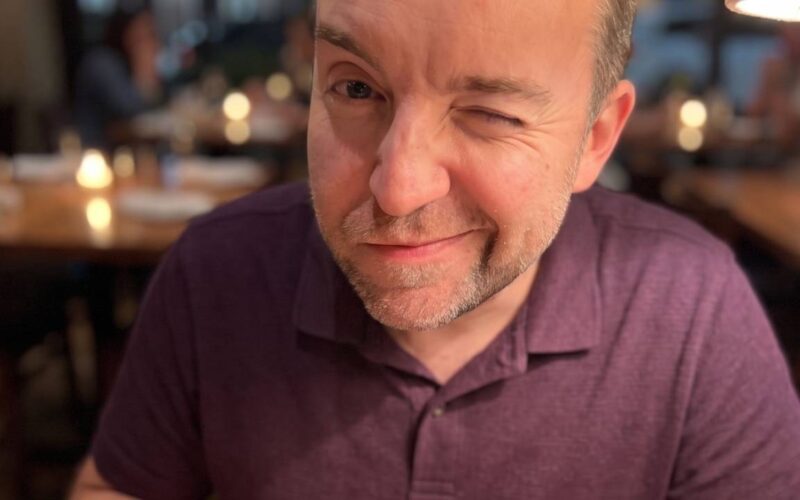
The prescription came with instructions. Life was apparently sold separately.
Dear You, I’m glad you’re here. I lost 110 pounds on a GLP-1, and I’ve maintained roughly the same size for about two years. The prescription changed my appetite. Nobody…
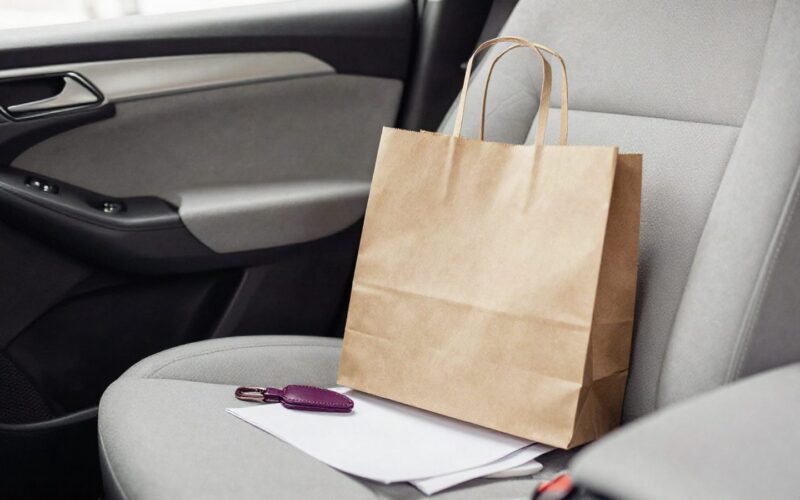
Twelve things I’d tell someone picking up their first prescription
If you're in a pharmacy parking lot with a paper bag on the passenger seat, here is what I'd lean in the window and tell you. No pep talk.
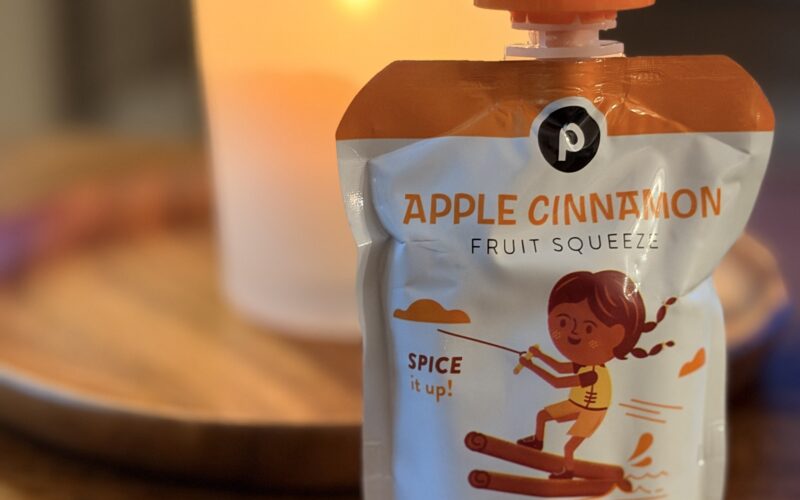
My secret weapon for nausea is a toddler snack, and I’m not sorry
I’ve been lucky with nausea on a GLP-1. When it does show up, the thing that gets me through costs about a dollar and has a cartoon on it. Plus what actually helps, and when to call your care team instead.