
Dear You,
I didn’t know how loud it had been until it stopped.
For most of my adult life, some part of my brain was always running a program about food. Not hunger, exactly. Hunger is simple, a body asking for something. This was different. It was negotiation. What I’d eat later, whether I’d earned it, how I’d make up for it, whether anyone had noticed what was on my plate, what was in the break room, whether there’d be enough, whether there’d be too much. A radio in the next room, always on, never quite tuned.
Then the medication started working, and within a few weeks the radio went quiet. The appetite got quiet. Life got loud. I remember sitting at my desk around 3 p.m. on a Thursday, which had historically been a vending machine hour, and realizing I’d been working for two straight hours without a single thought about food. Not resisting a thought. Not having one.
What came back first was time. I’d never counted how many minutes a day went to planning, bargaining and mild regret, but it turned out to be a lot. Enough that I noticed the room it left behind. I read a whole book in a week for the first time in years. I started calling my mother on Wednesday evenings, which had previously been occupied by standing in front of the fridge, thinking.
What came back second was attention. Conversations at dinner got better because I was in them instead of monitoring the table. Meetings got shorter in my head because I wasn’t waiting for them to end so I could eat. I noticed the weather. I know how that sounds. I noticed it anyway.
And what came third, uninvited, was guilt.
Here is the part I don’t say out loud much. Enjoying this felt like cheating. Not the weight, though people love to say that. The peace. I had friends still living inside the radio, people I loved who were doing everything right and still negotiating with a sandwich at 3 p.m. And I’d been handed, by a prescription and a pharmacy and some insurance paperwork, a silence they didn’t have. It didn’t feel earned. It felt like I’d found the volume knob by accident and was pretending I’d always known where it was.
I sat with that for a long time. Still do, some days. What I’ve landed on, for now, as one person who doesn’t have this figured out: the guilt was really grief, wearing a disguise. Grief for the years the radio ate. Grief that it took a medication to turn it down. Grief that I’d blamed myself for the noise when the noise was never a character flaw. It was a signal my body was sending at a volume I couldn’t control, and I’d spent decades thinking I was weak for hearing it.
The quiet didn’t make me a better person. It made me a person with more hours in the day, and the question of what to do with those hours turned out to be its own kind of work. Nobody warned me that getting the hours back would mean having to furnish them.
So I’m trying to spend them well, because wasting them felt like the real disrespect to the years I lost. I cook, which is funny, because food is more interesting now that it isn’t an argument. I walk without a destination. I sit through a whole movie. I call people back.
If you’re newly quiet and feeling strange about liking it, I don’t have a fix. I have a reframe that helps me on the days it works: the silence isn’t a prize you didn’t deserve. It’s a room that was always yours, and someone finally turned off the radio. Go sit in it. Notice the weather. Call your mother on a Wednesday.
Want to tell me something? Reply to any Low Volume email, or write to me here. I read everything.
Getting Quiet shares lived experience, general education, and practical tools. For medical decisions and individual treatment questions, talk with your qualified care team.
 Ayden, founder of Getting Quiet. Read the story →
More on When food goes fuzzy
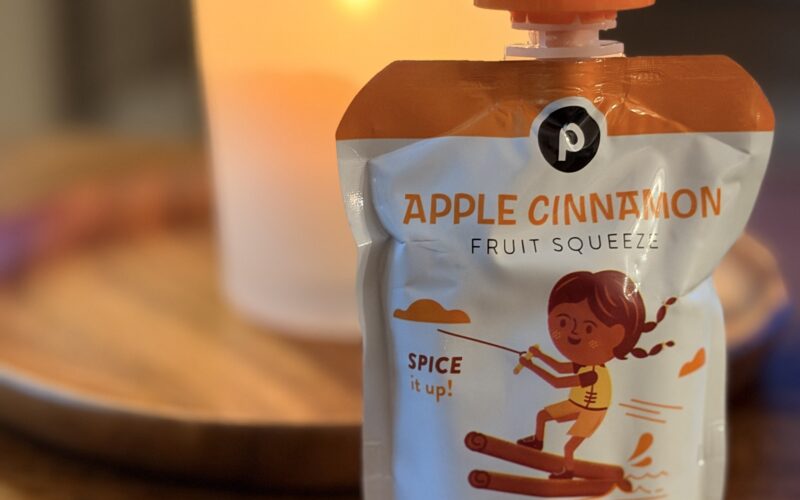
My secret weapon for nausea is a toddler snack, and I’m not sorry
I’ve been lucky with nausea on a GLP-1. When it does show up, the thing that gets me through costs about a dollar and has a cartoon on it. Plus what actually helps, and when to call your care team instead.
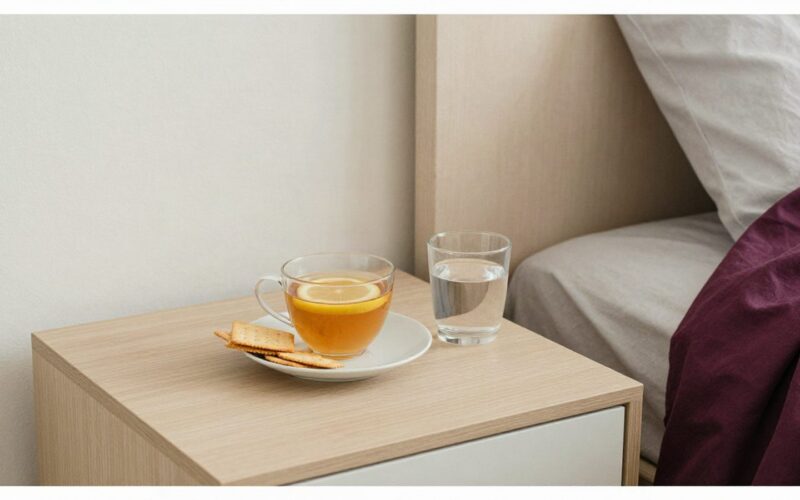
What helped in nausea week, and what didn’t
Nine days when food was a theory and the coffee maker was my enemy. Cold things, small sips, saucers, and the phone call that mattered more than any of it.
Eating in front of other people when you’re not hungry
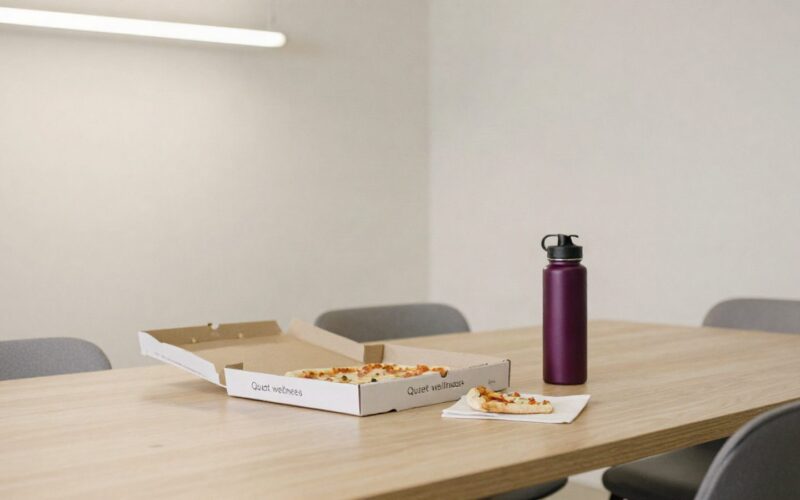
The office pizza, the dinner party, the mother who made your favorite. How to be at the table with a quiet appetite without turning your plate into a performance.